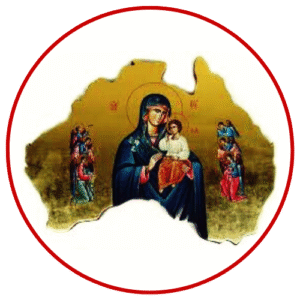
Orthodoxy was brought to Australia by large waves of immigrants from Greece, Russia, Serbia and other Orthodox countries during the 19th and 20th centuries. Today, the Orthodox make up about 2–3% of the population, approximately 500,000–600,000 believers, who gather around their shrines and monasteries, preserving their faith and tradition. The most significant shrines are the magnificent St George's Cathedral in Sydney, where believers can worship miraculous icons and relics of saints, as well as St Nicholas Cathedral in Melbourne, a place of deep spiritual comfort. In addition to these cathedrals, numerous monasteries across the continent provide refuge in prayer, spiritual learning, and liturgical life. The position of the Orthodox is stable, the state guarantees religious freedom, and the communities actively participate in cultural and educational life. The main challenge remains the fragmentation of the territory, which sometimes makes it difficult for priests to access and regular worship, but the warmth and love within the communities overcome all obstacles.
In the remote islands of Oceania—such as Fiji, Samoa, and Papua New Guinea—Orthodoxism is present mainly through small Greek and Russian diasporas that arrived during the 20th century. The number of Orthodox is small, only a few thousand, but in each community there are small parish churches and cathedrals which preserve shrines, icons and relics of saints. These shrines are a bright jewel in the lives of believers, who come to worship with devotion, serving as spiritual centers of their communities. Although the communities are isolated and dependent on priests coming from outside, their faith remains alive and strong.
Orthodoxy was brought to New Zealand by immigrants from Greece, Russia and Eastern Europe during the 20th century. Today, there are around 15,000–20,000 Orthodox Christians, and believers regularly participate in services, missions and cultural programs. The most important shrines are St George's Cathedral in Auckland, as well as parish churches in Wellington and Christchurch, where they can worship miraculous icons and relics of saints. The communities, although small, maintain lively spiritual gatherings, schools and cultural programs, transmitting the love and light of Orthodoxy to new generations. The position of the Orthodox is stable, with full religious freedom and state support, and a great challenge is the preservation of traditions and languages among the younger generations in the diaspora.